
No.102 April.2001
 
Upon Sponsoring the 53rd Conference of the Vitamin Society  of Japan

Prof. Hiroyuki Kagamiyama
Department of Biochemistry, Osaka Medical College
 

<Introduction>

People die one after another and you have no idea why.  There are many scary things in the world, but probably nothing is as scary as such a disease.  This was the case with vitamin deficiency before the discovery of vitamins.  Vitamins were introduced as a tool for the prevention and treatment of such disease.  However, because Pasteurfs achievements were so great, the idea that all diseases are caused by infection with microorganisms prevailed in the medical world at the time vitamins were introduced.  Under these circumstances, the pioneers in vitamin discoveries had a very hard time.

Since then, vitaminology has been studied in the fields of nutrition science, medicine, pharmacy, and agriculture, and we are now ready to make new progress in the field of life science in the 21st century.  Details of various physiological functions of vitamins are now being revealed, including functions as coenzymes and antioxidants and in the regulation of genetic expression.  In particular, it has been shown that for many vitamins, specific interactions with proteins are indispensable for their functions, and it has been found that without elucidating such interactions, it is impossible to understand the essence of the physiological functions of vitamins.

I hope that, under these circumstances, this conference will play a role suited for the dawn of the new century.


The 53rd Conference of the Vitamin Society of Japan will be held in the Dream Theater of the Hyogo Prefectural International Convention Hall on May 24 (Thursday) and 25 (Friday), 2001.  The building was built on part of the land created by cutting a hill for the construction of Kansai International Airport and is situated near the end of the Akashi Strait Ohashi Bridge.  This location enjoyed a good turnout of people on the occasion of the Japan Flora exhibition.

For the first time, we have adopted a prior registration system through the Internet for applications to attend lectures and for fees for this conference.

On the morning of the first day, there will be general lectures in three halls, and in the afternoon there will be special lectures and the Society Prize-winning lectures in one hall.  On the morning of the second day, there will be general lectures in three halls followed by a symposium in one hall.  In the afternoon there will be general lectures again.  There will be 116 general lectures.  As we have classified them based on the contents of the presentations as well as vitamin type, one of the characteristics of this conference is a somewhat mosaic-like grouping.  As special lecturers, we will invite Prof. H. F. DeLuca (University of Wisconsin) and Prof. T. C. Standtman (National Institutes of Health) whose lectures are titled gThe mode of action of 1ƒ¿, 25-dihydroxyvitamin D3 and its analogsh and gBiosynthesis of selenophosphate, the selenium donor used by eukaryotes and prokaryotes for selenoenzyme production and recent studies on mammalian thioredoxin reductaseh, respectively.  These are expected to introduce to us the two professorsf brilliant achievements produced through their longstanding efforts.  The Society Prize lectures for this year are the following four lectures:  gNovel coenzyme PQQ and the new development in oxidative fermentationh by Prof. Osao Adachi (Department of Agriculture, Yamaguchi University), gNutriological study on vitamin E (particularly on the elucidation of its in vivo kinetics)h by Prof. Osamu Igarashi (Department of Life Sciences, Ibaraki Christian College), gFunctional analyses of the anticancer enzyme methionine ?-lyase and NAD-dependent isopropyl malic acid dehydrogenase based on their steric structuresh by Prof. Kenji Inagaki (Department of Agriculture, Okayama University) (an encouragement prize), and gA study on the mechanism of actions of vitamin Dh by Director Keiichi Osono (Environmental  Effect Unit, Osaka Medical Center and Research Institute for Maternal and Child Health) (an encouragement prize).  The symposium consists of the following four lectures under the general title of gVitaminology for the 21st centuryh:  gRegulation of genetic expression by vitamin D receptorsh by Prof. Shigeaki Kato (Institute of Molecular and Cellular Biosciences, Tokyo University), gProduction and analysis of congenital vitamin E deficiency model miceh by Prof. Hiroyoshi Arai (Graduate School of Pharmaceutical Sciences, Tokyo University), gCrystal structure of bovine rhodopsin, membrane pierce receptorh by Chief Researcher Masashi Miyano (Harima Institute/ SPring-8, Institute of Physical and Chemical Research), and gDynamism of coenzyme functionsh by Prof. Hiroyuki Kagamiyama (Department of Biochemistry, Osaka Medical College).  All of these were selected as studies which have shown remarkable progress in recent years and are expected to develop further in the 21st century, taking into consideration the close relationship between the functions of vitamins and proteins.

On both days the meetings start at 8:30 a.m. and the program is considerably hard, but if the weather is good it is particularly nice to take a walk between sessions around the neighborhood to view the sea.  According to the legend of Japanfs origin, Awaji-shima was the first of the Japanese Islands to be formed.  As the conference to be held at the dawn of the 21st century, we hope that many people will participate in it as an opportunity to think over the future of vitaminology.

The day following the last day of the conference is a Saturday.  We hope that you will take time to enjoy the view of guzushioh whirlpools in the Naruto Strait from on and off the shore or to visit the Earthquake Memorial Hall which preserves the Nojima fault, which was the seismic center of the Hanshin-Awaji Earthquake, or the Tachibana Museum located at the end of the Akashi Strait Ohashi Bridge near JR Maiko Station, among other activities.


After the 10th Biennial Meeting of the Society 
for Free Radical Research International (SFRR2000)

Prof. Toshikazu Yoshikawa
Kyoto Prefectural University of Medicine
 

       The 10th Biennial Meeting of the Society for Free Radical Research International was held at the Kyoto International Conference Hall from October 16 to 20, 2000.  This meeting is the largest conference concerning free radicals, held once every two years.  I would like to extend my deepest gratitude to the many members of the organizing committee, especially those of the SFRR Japan, for their cooperation, which resulted in the success of the meeting after preparation lasting almost two years.
     The meeting, which included lectures by many invitational famous researchers, seems to have enjoyed extremely favorable criticisms from many participants.  I hear that Prof. M. Karin and Prof. L. J. Marnett participated and gave lectures in other research meetings in Japan before and after ours, which also enjoyed extremely favorable criticisms.  In addition, the luncheon seminars and keynote lectures enjoyed a near-capacity audience, contributing to a total of about 800 participants.  I think this meeting could have a great impact on researchers in the area of free radicals who are gradually increasing in number.  In particular, Prof. M. Karin, who is a professor at the Laboratory of Pharmacology of the University of California at San Diego and was invited as one of the special lecturers of this meeting, is a pioneer in the research on the regulation of transcription of genes and is said to be a possible candidate for the next Nobel Prize.  The professor initially attained great achievement concerning the mechanism of the induction of the metallothionein gene by metals, and later played a major role in the formation of the concept of signal transduction through transcription factor, in which proteins enhance the expression of other genes.  That is, he made a great contribution to the elucidation of the activation mechanism of NF-ƒÈB, the transcription factor first discovered in immune cells, followed by another great contribution to the elucidation of the activation mechanism of MAP kinase, which is part of a signal cascade involving phosphorylating enzymes.  For these achievements, the professor is evaluated as one of the top 10 scientists in the U.S.  The professor uses many molecular biological methods in his studies, and he has recently published many reports using genetically engineered animals in many leading journals.  During the past decade, the aforementioned transcription factor has been found to be associated with various kinds of stress including that caused by ultraviolet rays, radiation, inflammatory cytokines, or febrile shock, making this field one of the most active fields of study.  I believe that the professorfs special lecture gOxidative Stress and Genetic Expression:  The Roles of Transcription Factors AP-1 and NF-ƒÈB h was of extreme significance.  He gave detailed analysis of the process through which various kinds of stress cause activation of the transcription factor NF-ƒÈB, and explained the extremely intriguing roles of IKK protein, which have recently been found one after another, and the roles of oxidative stress in the activation of the protein.  I believe these were up-to-date topics.  I am confident that the lecture had a great scientific impact on researchers in this field.
     In addition, on the final day of the meeting, there were symposia and intensive discussions on 1) diabetes, 2) apoptosis, 3) oxidative stress markers, and 4) mitochondion-related diseases.  These are important fields of study on free radicals, which are currently attracting great attention, and I think these symposia explained prospects for the beginning of the 21st century.  I would like to emphasize that the 21st century will be the age of gclinical free radical studiesh, and hope to make every effort to apply this field of study to clinical medicine.  I earnestly hope for your continued cooperation.
     Finally, a new book has been published containing mainly invitational lectures of this meeting:
                                 Free Radicals in Chemistry, Biology and Medicine
                                 Edited by T. Yoshikawa et al.
                                 OICA International (UK)
                                 \15,000

For orders and questions, please contact us at  ynaito@koto.kpu-m.ac.jp.


THE RELATIONSHIP BETWEEN THE LEARNING WITH REWARD AND VITAMIN B1 IN THE NERVOUS TISSUES OF RATS


Prof. Mitsuo Terasawa
Faculty of Engineering, Tamagawa University

<ABSTRACT>
Experiments were held in a plexiglas cage where the lamp was turned off and on every twenty seconds. One group of rats was the control group which could eat pellets freely without having to press a lever. The second group of rats could eat a pellet every time they pushed a lever. The third group of rats could eat a pellet when they pressed a lever while a lamp was lit. We found that the thiamine is stocked in the brain of the rats by learning and the part of the brain where it is stored depends on the type of learning.

1. Introduction
In one of the previous experiments we looked at the relationship between cognitive development of rats and a vitamin B1 deficient diet. Rats fed on a B1-deficient diet were electrically stimulated so as to repeatedly undertake a lever-pressing task. Their ability to accomplish the task decreased the longer they were on the vitamin B1 deficient diet1) 
In another experiment we looked at the effect of learning with rewards on the vitamin B1 concentration in the brain. The rats fed on a normal diet undertook the lever pressing task. They were rewarded with a pellet whenever they pres sed the lever. After dissection we discovered that the rats had a significantly higher concentration of vitamin B1 in their cerebellum and brainstem than a control group of rats that did not undertake the task. 7)-8)  This lead us to further investigate the correlation between the complexity of tasks and the levels of thiamine found in the portions of the brain. We conducted a lever pressing experiment with the lamp alternately turned on and off to find the correlation.

2. Methodology
The procedure of the lever-pressing experiment withthe lamp alternately turned on and off was as follows:

2.1 Experimental procedures
1) The weight of each rat was measured to ascertain its condition and state of health. 
2) The rats in Group A were one by one put into an experimental cage that has no lever or tasks after a feeder had been filled with 20 reward pellets. The rats in Group B and Group C were put into their respective experimental cages after the feeders had been filled with 20 pellets, Afterwards, the amount of time to eat the pellets was gradually reduced.
3) To obtain information on each ratfs learning ability we measured the feeding time of rats in Groups B and C. The time for each rat to finish eating twenty pellets was counted as one trial.
4) To maintain the ratsf weight, a controlled diet of a powdered type was given to the rats each day after the experiments. The quantity of feed and thiamin intake was therefore the same for rats in all of the three groups. 

After the completion of the experiments, all of the rats' blood, brains and livers were removed. The thiamin levels in the removed parts were measured.

2.2Experimental Equipment
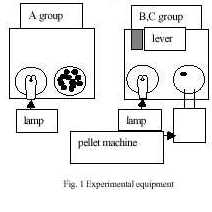
We used a black acrylic cage of 250 mm x 250 mm x 300 mm that was shielded from external light. The equipment is shown in Fig.1. A lamp was placed in the cage and was switched on and off every 20 seconds. The rats were divided into three groups. The experiment was conducted under the following conditions:
2.3 The experimental animals and the learning experiment
Fifteen 5-week-old male rats were used. Four rats wereused in Group A, five in Group B and six in Group C. 
Group A: The rats did not have to press a lever for their feed and were free to eat (exactly the same                     amount of feed as that of Groups B and C).
Group B: The rats were trained to get a pellet every time a lever was pressed, regardless of whether the                lamp was switched on or not (Lever-pressing learning).
Group C: The rats were trained to press the lever in order to get a pellet, but only while the lamp was on.               If it was off, they would not be rewarded with a pellet (Lever-pressing learning).
The time it took for each rat to finish eating (the expected amount of feed), and the ratfs weight were measured and recorded. This experiment was conducted over a period of 59 days.

2.4 Feed
The feed used in this learning experiment was of a pellet type, 0.05 g in weight and 3mm in diameter. Twenty pellets a day were given to each rat at the outset. The number of tasks was increased to promote the ratsf learning abilities according to each ratfs progress. Therefore the quantity was incresed by adding a supplement (in the form of powdered feed) as the experiment progressed.
In order to keep the ratfs weight at around 140g, the quantity of feed was adjusted by 6-8g. This was given in a combined pellet and powdered form.

2.5 Measurement of the thiamin concentration in different parts of the ratfs body
Upon conclusion of the experiments, the ratsf blood, brains and livers were removed. The thiamin levels contained in 1ml of blood, 1g of the cerebrum, 1g of the brain stem and 1g of the cerebellum were measured by the fluorometric method of thiochrome reaction. The significance of the results was determined by Dunkanfsmultiple range test.

3. Results
The results from the various lever- pressing experiment with the lamp alternately turned on and off are:

3.1 Ratsf weight and the experiment duration
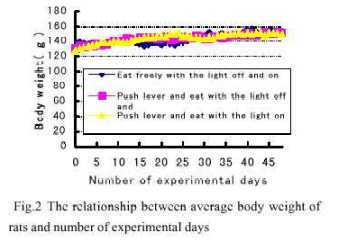
The relationship between the ratsf weight and the duration of the experiment is shown in Fig.2. We controlled the quantity of feed given to the rats to keep the average weight of the rats in each group at around of 140 grams.


3.2 Ratsf eating time and progress of the experiment
The relationship between the time required for the rat to finish eating twenty pellets (eating time) and the progress of the experiment is shown in Fig.3. The eating time became shorter as the experiment progressed. It took 5 minutes and a half for the rats in Group B and 7 minutes for the rats in Group C to finish eating the feed in the beginning. Later Group B took only three minutes and a half, while Group C took four minutes and a half to finish feeding.
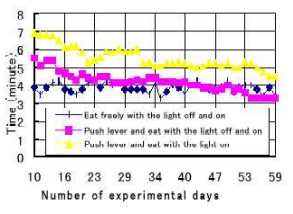

Fig.3 The relationship between the time period of 
       eating pellets and the number of experimental days


3.3 The amount of thiamin contained in the different portions of the body induced by the lever-pressing learning
The relationship between the thiamin contained in the body and blood of the rats which had eaten feed without undertaking the learning tasks (control group) and the rats which had experienced the learning experiment is shown in Figs. 4 and 5. The average thiamin levels in 1g of liver, cerebellum, cerebrum and brain stem are shown in Fig.4. These results suggest that thiamin contained in 1g of liver was significantly more in the rats that had undertaken the learning tasks than those who did not (Group A), regardless of whether the light had been switched on and off or not. The amount of vitamin B1 contained in the cerebellum of rats in Group B was higher than that of the non-learning rats. However no significant difference was found between rats in Groups A and C.
The thiamin contained in 1g of cerebrum and brain stem of the rats that carried out the task with lighting on was 5% higher than non-learning rats. 
The thiamin contained in 1ml of blood is shown in Fig.5. There was no noticeable difference in the levels of thiamin concentration found in the blood of rats that carried out the lever pressing task and those that did not.
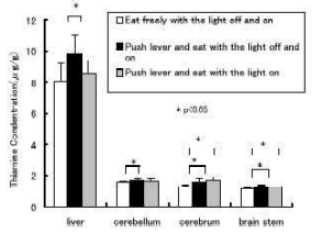


Fig.4 The amount of thiamin contained in 
        1g of the living tissue of the rats
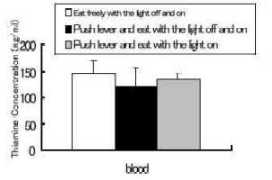


Fig.5 The amount of thiamin contained in 
       1ml of blood of the rats


4. Conclusion
The vitamin B1 concentration contained in cerebellums, brains stems and cerebrums of rats who learned to press the lever to get feed only while the light was switched on, was significantly greater than those rats who had not been given the learning tasks. Our results indicate that vitamin B1 is accumulated in the brain while the rats are learning tasks. The level of vitamin B1 in the liver also increases significantly while the rats are learning. 
We compared three types of learning tasks and measured the time it took rats to finish eating 20 pellets of feed. The most difficult task for rats was the one in which they could only receive their reward while a light was switched on. The concentrations of thiamin found in that particular group of ratsf brain stems and cerebrum concentrations were significantly higher than those rats that had not done the lever pressing tasks. However there was no significant difference in the levels of thiamin found in the two groupsf cerebellums. These results suggest that the brain stem and the cerebrum are of primary importance in the ratfs cognitive development.
The thiamin levels detected in the liver were also significantly lower in the rats that carried out the most difficult task than in the control group. The amount of feed given and the thiamin concentration in that feed was the same for all groups. This suggests that thiamin is supplied to the parts of the body that need it most, i.e. the cerebrum and brain stem rather than the cerebellum. 
The brain stem is a part of nervous system which is responsible for feelings. The higher level of thiamin found in the brain stem has a close connection with satisfaction that rats felt when they got rewards by pressing the lever.
The thiamin contained in the cerebrum was also found to be significantly higher. This result suggests that the rats learned how to get feed. They did not have to move around to get feed, but could get the feed by pressing the lever while the la mp was on. Therefore the thiamin contained in the cerebellum was lower, that is, the necessity to accumulate thiamin in the cerebellum decreased.
It is also important to note that the cerebrum is located near several parts of the nervous system that are responsible for short-term (the hippocampus ) and more long-term memories. The concentration of thiamin in the brain stem and cerebrum of rats that carried out the lever-pressing learning tasks with an additional level of difficulty (receiving the reward only when a light was on), was significantly higher than rats in the other groups. This result suggests that vitamin B1 affected only certain parts of the nervous system (brain stem and cerebrum) while a rat carried out learning tasks. The results also suggest that there is a correlation between thiamin levels and the level of complexity of learning tasks carried out.

REFERENCES
1) M. Terasawa, T. Nakahara, N. Tsukada, A Sugawara, Y. Itokawa: The Relationship between thiamine Deficiency and Performance of a Learning Task in Rats. Metabolic Brain Disease vol. 14, No. 3, 137-148, Plenum Publishing Corporation, 1999.
2) M. Terasawa, T. Yoneyama, N. Tsukada, T. Nakahara, Y. Itokawa: The Relationship between the Learning by Reward and Vitamin B1 in the Nervous Tissues of Rats, SCIf99 The 3rd World Multiconference on Systemics, Cybernetics and Informatics and ISA99, The 5th International Conference on Information Systems analysis and Synthesis 1999, Proceedings, Vol.8, P237-240, 1999.
3)M. Terasawa, T. Yoneyama, N. Tsukada, T. Nakahara, Y. Itokawa F The Relationship between the Ability to Learn and Thiamine Concentration in the Nervous Tissues of Rats, 20th Annual International Conference of the IEEE /EMBS, 20, Part4/6, 2084-2087, 1998.


Vitamin B Research Committee Symposium for the Year 2000 Held
yStress and Metabolism of the B Vitaminsz

     There are various diseases caused by stress.  In this stressful society, there is increasing variety in opinions about diseases caused by stress and therapies and preventive measures for such diseases.  Recently, for the purpose of elucidating the relationship between stress and the vitamin B group, the Vitamin B Research Committee held a symposium on the theme of gStress and Metabolism of the B Vitaminsh at the Tokyo Chamber of Commerce and Industry Bldg. on February 16, 2001.  Summaries of the presentations are reported below.  This was the first symposium on the theme of stress.  The Committee intends to continue to pursue research on the relationship between stress and the vitamin B group.

     Prof. Emeritus Kazuo Saito of Hokkaido University gave a presentation titled, gUnderstanding of Stress:  Past, Present and Futureh and explained the changes of thoughts on stress.
     He explained that one of the main advocates of the stress theory was H. Selye.  Selye published reports on eustress and distress as well as the relationship between stress and stressor.  Later, K. Karasek and R. S. Lazarus, among others, published many new findings on stress one after another.  In 1967, Holmes and his colleagues scored different kinds of stress.  It was found that when death of a spouse is defined as 100 points and marriage as 50, most other kinds of stress score under 50.  In addition, Karasek named as occupational stress factors changes in environment including those in technology, how weekends are spent, being middle-aged or older, being a female worker, etc.
     Prof. Saito said, gstressors have changed with the times, and as systemic labor has been replaced by labor using belt conveyors, physical fatigue has been replaced by mental fatigue.  In the future, while conversation with other people will decrease, that with computers will increase, which may result in an increase of eIT revolution stressfh.

     Assistant Professor Yasuyo Mitsumori of the School of Medicine at Hiroshima University gave a presentation titled, gQuantitative Evaluation of Mental Fatigue and Vitamin B1h and announced his study results on the effects of vitamin B1 on people under stress.
     Six healthy males were divided into a vitamin B1-treated group and an untreated group as indicated below and subjected to stress, followed by measurement of vitamin B1 and noradrenaline levels in the blood.
     B1-treated group:  B1 109 mg, B2 10 mg and B12 20ƒÊg
     B1 untreated group:  B2 10 mg and B12 20ƒÊg
     Stress:  Calculation problems
Results:  Vitamin B1 levels in the blood increased in the treated group but did not change in the untreated group.  Noradrenaline levels increased in both groups after being subjected to stress.  There was no difference in subjective symptoms of stress between the two groups, with the subjects in both groups feeling stress.
     In this study, no effect of vitamin B1 was found on stress.
     Several studies have found that administration of thiamin hydrochloride has a favorable effect on cognitive function tests, which led to the idea of vitamin B1 administration to patients with Alzheimerfs disease, but in these studies the drug was administered in quantity, amounting to several grams.

     Furthermore, Prof. Katsumi Shibata of the School of Human Cultures at the University of Shiga, gave a presentation titled gVariation in Pyridine Nucleotide Levels in the Blood under the Stress of Forced Physical Exerciseh, and reported his study results centering around the changes in NAD levels in the blood and stress caused by physical exercise.
     Rats were put under stress by being forced to swim in a bath with flowing water, followed by measurement of NAD levels in the blood.  The NAD levels were found to be 80-85 nmol/ml before exercise, which decreased to 64-65 nmol/ml after exercise.  It can be said that physical exercise reaching toleration limits causes a decrease in NAD in the blood.  In addition, the limits of swimming time were extended by administration of nicotinamide, a derivative of NAD.  Similar results were found in running experiments using mice.
     When people were subjected to physical stress using bicycle ergometers (18 min.; energy consumed = approx. 100 kcal), NAD and NADP levels in the blood increased, while only NADP had decreased 30 min. after the exercise was stopped.  Observation after jogging (10 min; energy consumed = approx. 100 kcal) showed a tendency towards an increased NAD in the blood, although not statistically significant.
     Observation of Nf-methyl nicotinamide, Nf-Methyl-2-pyridone-5-carboxamide and Nf-Methyl-4-pyridone-3-carboxamide in the urine after administration of niacin showed no effect on the metabolic pattern.  In addition, although stress caused an increase in the rate of conversion of tryptophan to niacin, the absolute amount of conversion was limited, suggesting the need for nicotinic acid when under stress.

     Finally, Mr. Yoshinori Itokawa said, in speaking of his aspirations for the next symposium, gThis is the first symposium on the theme of eStress and the Vitamin B Groupf, and this was only an introduction.  I hope that the studies on stress and the vitamin B group will continue and result in new discoveries.h

(The editorial office is responsible for the wording of this article.)


HEALTH CLAIM

Dr. Norimasa Hosoya
Chairman, Japan Health Food & Nutritional Food Association

     A health claim is defined as the indication of beneficiary effects of a food or its ingredients on health, or clear or indirect claim of the relationship between a food or its ingredients and disease or possible preventative or therapeutic effects.  In order to attach a health claim to food products, it is necessary to conduct observational studies on human subjects, show that the claim is supported by scientific evidence, and obtain approval.
     The health claim system was first proposed in the U. S. in March 1985.  It was put in a statutory form in 1990 and came into operation in May 8, 1994.  Health claim has already been in operation for fifteen years.
     As the health claim system was planned out and put into a statutory form as part of  thegNutrition Labeling and Educational Act (NLEA) 1990h, it is a concept within the field of health related to nutrition and diet and not within that of medical drugs used in medical treatment.
     The health claim system has been adopted by the Joint FAO/WHO Codex Alimentarius Commission (CAC), and in May 1999 the definitions and classification of health claims were published.
 

              Cares for Lifestyle-related Diseases
Primary care Secondary care Tertiary care
Health promotion

Risk reduction

Early detection
Early treatment
 Recovery of functions

Rehabilitation

     As risk factors for chronic non-communicable diseases became clear, diet or food has been increasingly used to alleviate diet-related diseases (disorders) in an attempt to promote health, thereby obtaining good immunological ability as well as reducing risk.  In Japan, too, in primary care for lifestyle-related diseases (disorders), there is a need to obtain good immunological ability through maintenance and promotion of health and to reduce risk.

     Currently, the CAC states that there are three types of health claim.

1. Nutrient Function Claim
     This health claim is used when indicating the physical role of the nutrient concerning growth, development and normal functions of the body.

2. Enhanced Function Claim
     Enhanced Function Claim is the indication of specific beneficiary effects of a food or its ingredients on physiologic (or psychological) functions or biological activities, excluding those which fall under Nutrient Function Claim.  It indicates effective contribution of a food or its ingredients to health, conditions related to health, improvement of functions, or improvement or maintenance of health.

3. Reduction of Disease Risk Claim
     Reduction of Disease Risk Claim is the indication that the ingestion of a food or its ingredients as part of the daily diet helps reduce risk for specific diseases or conditions.

     In Japan, however, the concept of functional foods has been traditionally proposed based on the notion that foods or their ingredients have their own functions.  This concept is only based on a phenomenon observed in acellular models made from experimental animals, and it is thus questioned whether such functions also work in human bodies.  Therefore, observational studies have been conducted in human subjects and foods which have been shown to be appropriate for health uses are treated as Foods for Specified Health Uses (FoSHU).  From April 2001, claims concerning health are based on Health Function Foods which contains both FoSHU and Nutritional Function Foods.

     On the other hand, in Japan, foods related to health promotion and risk reduction are currently treated as medical drugs or quasi-drugs.  Japan is the only country where there is this system of quasi-drugs, in which something ingested orally is treated somewhat as a drug.
     In addition, in Japan, the concept of primary care in the field of health and that of prevention of disease (secondary care) in the field of medicine are currently confused.
     Furthermore, the distinction between food and medical drugs in Japan is also vague and often incomprehensible.  In the present situation, items which are treated as foods in other countries are often treated as medical drugs in Japan.
     Therefore, with regard to the distinction between food and medical drugs, it is an urgent task to help Japanese people understand the distinction through disclosure of information as well as adjusting to international standards by establishing rule-bound administration instead of discretionary administration.

Reference:  gHealth Claimh, written and edited by Norimasa Hosoya, 2001, Daiich Shuppan